


How to Identify Your Skin Type and Choose the Right Skincare
A simple, practical guide to recognize your skin’s needs, choose the right ingredients, and build an effective routine.
.png)
Knowing your skin type is the first step toward a skincare routine that actually works. Below you’ll find easy tests to identify your skin type, ingredient recommendations, and simple routines for each type.
Quick tip: Your skin can change with seasons, hormones, and environment. Treat this as a living guide — check back in after a few weeks if you’re unsure.
How to Identify Your Skin Type
Try these quick, at-home checks to learn how your skin behaves.
The Wash & Wait Test
- Wash your face with a gentle cleanser and pat dry.
- Leave skin bare for 45–60 minutes — no products.
- Observe how your skin feels: tightness = dry, shine = oily, shine only on T‑zone = combination, balanced = normal, sting/redness = sensitive.
The Blotting Paper Test
Press a blotting sheet or tissue to your forehead, nose, cheeks, and chin.
- Lots of oil on the sheet → oily in that area
- Some oil on the T‑zone only → combination
- No oil → dry or normal
Track & Observe
Note how your skin performs throughout the day and in different conditions — air conditioning, after workouts, during different seasons. Patterns will reveal your true type.
Skin Type Breakdown
| Skin Type | Key Signs | Main Goal |
|---|---|---|
| Normal | Balanced texture, few blemishes | Maintain hydration + protect |
| Dry | Tightness, flakiness, dullness | Repair barrier + lock in moisture |
| Oily | Shine, visible pores, breakouts | Control sebum without stripping |
| Combination | Oily T‑zone, dry cheeks | Balance hydration and oil control |
| Sensitive | Redness, stinging, easily irritated | Soothe and remove irritants |
Ingredients to Look For
By skin type
- Dry: ceramides, squalane, hyaluronic acid, polyglutamic acid
- Oily: salicylic acid (BHA), niacinamide, lightweight non-comedogenic moisturizers
- Combination: hyaluronic acid for dry areas + BHA on oily zones
- Sensitive: centella asiatica (cica), aloe, colloidal oatmeal, fragrance-free formulas
- Normal: gentle maintenance: hydrators, antioxidants, and SPF
Simple Routine Templates
Normal Skin
- Gentle cleanser (AM & PM)
- Hydrating serum (eg. hyaluronic acid)
- Light moisturizer
- Sunscreen (AM)
Dry Skin
- Cream or balm cleanser
- Hydrating essence or toner
- Hyaluronic or polyglutamic acid serum
- Ceramide-rich moisturizer
- Facial oil at night (optional)
- Sunscreen (AM)
Oily Skin
- Gel or foaming cleanser
- Salicylic acid serum or toner
- Niacinamide serum
- Oil-free moisturizer
- Gel or matte-finish sunscreen (AM)
Combination Skin
Use a targeted approach: hydrate dry areas and treat the T‑zone with lighter products.
- Gentle cleanser
- Hydrating serum on cheeks
- BHA on T‑zone (2–3x weekly)
- Balanced moisturizer
- Sunscreen
Sensitive Skin
- Fragrance-free mild cleanser
- Cica or aloe toner/mist
- Barrier-repair serum (ceramides)
- Non-irritating moisturizer
- Mineral or gentle chemical sunscreen
Extra Tips
- Patch test every new product for 2–3 days on the inside of your wrist or behind the ear.
- Introduce actives slowly — start 2–3 times a week and build up.
- Adjust seasonally: switch to richer creams in colder months and lighter formulations in humid months.
- Keep routines simple: layering too many actives can irritate your skin.
- See a dermatologist for persistent or severe concerns.
Recommended Products by Skin Type
For Dry Skin

CeraVe Moisturizing Cream — Ceramide-rich, great for repairing the skin barrier.
Buy on AmazonFor Oily Skin

La Roche-Posay Effaclar Gel Cleanser — Helps control oil without over-drying.
Buy on AmazonFor Combination Skin

The Ordinary Niacinamide 10% + Zinc — Balances oil while supporting hydration.
Buy on AmazonFor Sensitive Skin

Vanicream Moisturizing Lotion — Gentle, fragrance-free, and dermatologist-approved.
Buy on AmazonFor Normal Skin
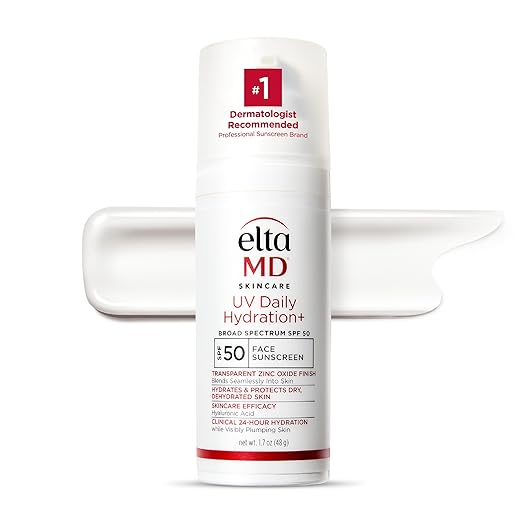
EltaMD UV Clear SPF 46 — Lightweight daily sunscreen with niacinamide.
Buy on AmazonFinal Thoughts
Understanding your skin is the foundation of effective skincare. With these tests and routine templates you can confidently choose products that support your skin’s health — not fight against it. Start simple, be consistent, and adjust as your skin changes.
